Paper clutter can build up quietly. A few letters on the counter, receipts in a drawer, school notices on the refrigerator, and old manuals on a shelf can soon become a daily source of stress. The good news is that you do not need a complicated filing system to take control.
With a few simple habits, you can reduce the amount of paper entering your home, sort what you already have, and create a system that is easy to maintain.
Start With a Quick Paper Sweep
Begin by walking through your home and collecting loose papers from common clutter spots. Check kitchen counters, entryway tables, desks, bags, drawers, and shelves. Put everything in one box, basket, or stack.
Do not try to organize each item immediately. The first goal is to see how much paper you have and where it tends to collect.
Once everything is in one place, divide the papers into broad groups:
– Keep and act on
– Keep for reference
– Recycle
– Shred
– Unsure
Use a separate pile for items that need attention, such as forms to complete, appointments to schedule, or letters that require a response. Keeping action items separate can help prevent important papers from disappearing into a filing cabinet.
Use the Four Question Test
When deciding what to do with a piece of paper, ask four simple questions:
- Do I need to take action?
- Do I need the original copy?
- Can I find this information online?
- Will I realistically need it again?
If the answer to all four questions is no, the paper may not need to stay in your home. Avoid keeping items just because they might be useful someday. A clear purpose makes it easier to decide what deserves space.
For papers you are unsure about, create a small “review later” folder. Set a date to check it, such as the end of the month. If you have not needed the items by then, reconsider whether they are worth keeping.
Create a Simple Filing System
A filing system works best when it is easy to understand and quick to use. You do not need dozens of categories. A few broad folders are often enough for most homes.
Consider using folders such as:
– Home
– Personal
– Work or school
– Vehicles
– Taxes and records
– Warranties and manuals
– Action needed
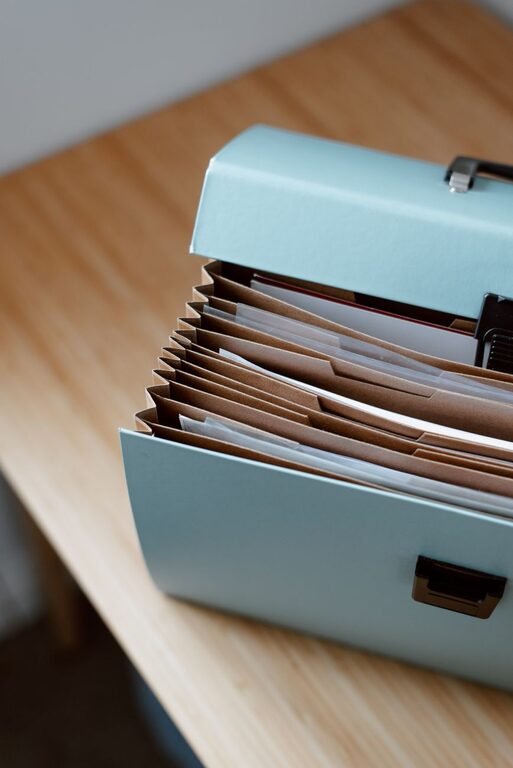
Label folders clearly and store them in one central location. A file box, drawer, or small cabinet can work well. The best storage method is the one that fits your space and feels convenient enough to use regularly.
Avoid creating overly specific folders. If you have to think too long about where a document belongs, you may be less likely to file it.
Keep Important Papers Separate
Some documents may need extra protection or long-term storage. Keep these items in a dedicated folder or secure container. Examples might include property records, certificates, contracts, or other documents that are difficult to replace.
You can also make a short list of where these important papers are stored. This helps household members find them when needed without searching through every drawer.
Set Up an Incoming Paper Station
Choose one location for new paper to enter your system. This might be a basket near the entryway or a tray on your desk. Ask everyone in the household to place mail, notices, and forms there instead of leaving them on random surfaces.
Try to process the tray on a regular schedule. Once or twice a week is often enough. During each review, open mail, recycle unwanted items, file documents, and move action items to a visible task list.
A small station can prevent paper from spreading throughout the home. It also makes the weekly sorting process faster because everything is already in one place.
Reduce Paper at the Source
The easiest paper to manage is the paper that never arrives. Look for opportunities to reduce incoming mail and printed materials.
You may be able to:
– Choose digital statements and notices
– Unsubscribe from catalogs and promotional mail
– Cancel unwanted newsletters
– Ask organizations to stop sending duplicate notices
– Avoid printing emails and online information
– Request digital receipts when practical
– Remove yourself from mailing lists
Review your choices every few months. Paper preferences can change, and new sources of clutter may appear over time.
Handle Receipts Right Away
Receipts are a common source of paper clutter because they often arrive in large numbers. Decide which receipts you truly need to keep and how long you need them.
For purchases that may require a return, place the receipt in a small temporary folder. Once the return period has passed, recycle receipts that no longer serve a purpose. For major purchases, you might keep the receipt with the warranty information.
If you use digital receipts, create a dedicated email folder or label so they do not get buried in your inbox. A consistent system is more useful than saving every receipt in multiple places.
Digitize Useful Information
Scanning or photographing certain documents can reduce the amount of paper you need to store. Digital copies may be useful for reference items such as appliance instructions, project notes, event details, or household records.
Before recycling the original, make sure the digital copy is clear and saved in an organized location. Use simple file names that include the item and date, such as “Kitchen appliance manual” or “Home repair receipt March 2026.”
Back up important digital files and protect private information with appropriate account security. Digital storage can reduce physical clutter, but it still needs organization.
Keep Manuals and Reference Papers Under Control
Product manuals can take up a surprising amount of space. Before keeping one, check whether the same information is available on the manufacturer’s website. Many manuals are available online and can be downloaded when needed.
For manuals you decide to keep, use one folder or magazine holder. Remove packaging inserts, duplicate instructions, and outdated information. You can also write the product name on the outside of the folder to make searching easier.
Make Decluttering a Small Routine
Paper clutter is easier to manage when you handle it in small sessions. Set a timer for 10 or 15 minutes once a week. Use that time to clear your paper tray, empty a desk drawer, or review one folder.
Small routines work better than waiting for a large block of free time. You can also pair paper sorting with an existing habit, such as checking mail after grocery shopping or reviewing forms before starting weekend chores.
Keep a recycling container and a shredder or shredding service option nearby if appropriate. Making disposal convenient removes one of the biggest barriers to finishing the task.
Give Every Paper a Home
A lasting paper system depends on one simple rule: every paper you keep should have a designated home. When a document no longer belongs on the counter, you should know exactly where it goes.
At the same time, avoid aiming for perfection. The goal is not to create a flawless archive. It is to make your home easier to use and important information easier to find.
Start with one surface, one drawer, or one basket. Sort what you can, choose a few clear categories, and create a routine that fits your household. Over time, these small steps can make paper clutter far less noticeable and much easier to manage.
About the Author