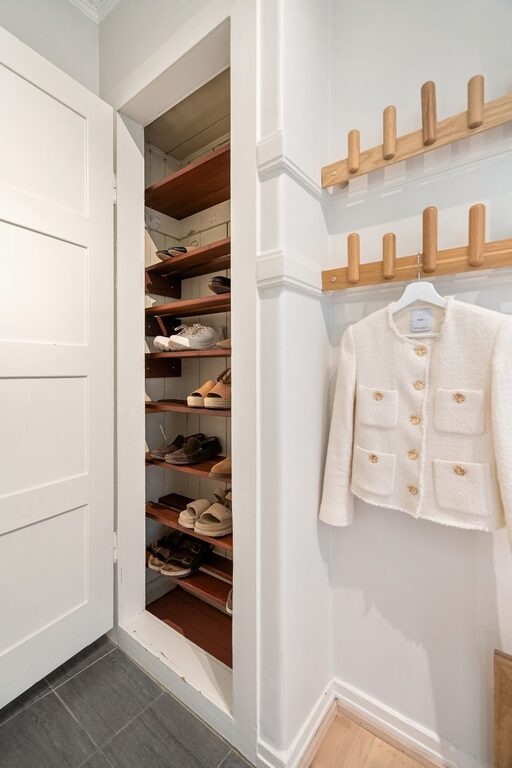

Changing your wardrobe with the seasons can make daily dressing easier, but storing out-of-season clothes can quickly create clutter. Without a simple system, garments may become wrinkled, dusty, damaged, or difficult to find when the weather changes.
Efficient seasonal clothing storage is about more than putting everything into a box. The best approach combines careful cleaning, thoughtful sorting, space-saving storage products, and clear labels. With a little preparation, you can protect your clothes and make your closet easier to manage all year.
Start With a Seasonal Clothing Review
Before packing anything away, review the clothes you no longer plan to wear for the current season. This is a useful opportunity to reduce clutter and avoid storing items you do not need.
Create four groups:
– Keep for next season
– Donate or give away
– Repair or alter
– Recycle or discard
Be honest about each item. If something no longer fits, has not been worn for several seasons, or does not suit your current style, it may not be worth storing. Keeping fewer clothes makes storage simpler and gives the items you enjoy more room.
Set aside special garments that need extra attention, such as wool coats, formalwear, leather items, or delicate fabrics. These may require different cleaning and storage methods.
Clean Clothes Before Storing Them
Always clean clothes before placing them in long-term storage. Small traces of food, sweat, perfume, or body oils can attract insects and create unpleasant odors over time.
Check the care label on each garment and wash or dry-clean items as recommended. Make sure everything is completely dry before packing. Even slight dampness can lead to mildew, especially when clothing is stored in a closed container.
Pay special attention to:
– Coats and jackets worn outdoors
– Sweaters and knitwear
– Sportswear
– Scarves, hats, and gloves
– Clothing with visible stains
– Shoes and boots
Do not store shoes without cleaning them first. Remove dirt from the soles, wipe the surfaces, and allow the shoes to air out. If they have removable insoles, take them out and let them dry separately.
Choose the Right Storage Containers
The best container depends on the type of clothing, the available space, and how often you need to access the items.
Plastic Bins
Plastic bins with secure lids are useful for most everyday clothes. They protect garments from dust, moisture, and pests while stacking neatly in closets or storage areas.
Choose clear bins when possible so you can see the contents without opening every container. If you use opaque bins, add a label that lists the main contents, such as “Winter Sweaters” or “Summer Beachwear.”
Avoid overfilling bins. Clothes need some room so they do not become tightly compressed or permanently wrinkled.
Fabric Storage Bags
Breathable fabric bags work well for coats, suits, dresses, and other garments that need ventilation. Look for sturdy bags made from cotton or another breathable material.
Avoid storing natural-fiber clothing in thin plastic garment bags for long periods. Plastic can trap moisture and may cause odors or fabric damage. Short-term protection from dust is different from long-term storage, so choose materials carefully.
Vacuum Storage Bags
Vacuum bags can save space by compressing soft items such as cotton T-shirts, pajamas, and blankets. However, they are not suitable for every garment.
Avoid vacuum-sealing:
– Structured jackets
– Wool garments
– Leather items
– Down-filled coats
– Items that may lose their shape
Long-term compression can flatten insulation, crease fabrics, or affect the shape of structured clothing. Use vacuum bags selectively rather than for your entire seasonal wardrobe.
Fold and Hang Clothes Properly
The way you pack clothing affects its condition when you take it out again.
Fold T-shirts, jeans, casual tops, and most knitwear. Place heavier items at the bottom of a container and lighter items on top. Avoid creating tall, unstable stacks that may fall apart when you remove one garment.
For sweaters, folding is usually better than hanging. Hangers can stretch the shoulders and create bumps in the fabric. Fold sweaters loosely and place them in a breathable container.
Use padded or shaped hangers for suits, coats, dresses, and other structured garments. Leave enough space between hanging items for air to circulate. Do not pack a garment bag so tightly that clothing becomes crushed.
For delicate pieces, place a layer of acid-free tissue paper between folds. This can reduce creasing and help protect fragile fabrics.
Store Shoes Separately
Shoes should not be packed directly against clean clothing. They can carry dirt, moisture, and strong odors even after they have been wiped down.
Store shoes in their original boxes, breathable shoe bags, or separate containers. Stuff boots and shoes with acid-free tissue paper or clean fabric to help them maintain their shape. Avoid using newspaper, as ink can transfer to light-colored materials.
Keep pairs together and label boxes clearly. If you do not have the original boxes, take a quick photograph of each pair and attach it to the outside of the container. This makes finding the right shoes much easier.
Use Space Efficiently
Good organization can create extra space without requiring additional furniture.
Consider these storage locations:
– The top shelf of a closet
– Under-bed storage containers
– The back of a closet door
– A clean, dry section of a basement
– A temperature-controlled attic
– A wardrobe or storage bench
Use the same container size where possible. Matching bins are easier to stack and make a storage area look more orderly.
Keep frequently needed items in the most accessible locations. For example, if spring weather changes quickly, store light jackets near the front of the closet instead of placing them in the most difficult-to-reach container.
Do not place clothing directly on a basement or attic floor. Use shelves, pallets, or raised storage units to reduce exposure to dust and possible moisture.
Label Everything Clearly
Labels save time and prevent unnecessary searching. Write the season, clothing type, and household member on each container when needed.
Useful label examples include:
– Summer shirts
– Winter accessories
– Guest bedding
– Children’s fall clothes
– Special occasion clothing
For a larger wardrobe, create a simple inventory on your phone or computer. List what is inside each container and where it is stored. You can also take photos of the container contents before closing the lid.
Avoid vague labels such as “Clothes” or “Miscellaneous.” Specific labels make it easier to find what you need without opening multiple boxes.
Protect Clothes From Moisture and Pests
Choose a storage area that is cool, dry, and away from direct sunlight. Sunlight can fade fabric, while heat and humidity may encourage odors or mildew.
Inspect storage areas before packing clothes away. Look for leaks, damp walls, poor ventilation, or signs of insects. If the space feels damp, choose a different location or improve ventilation before storing textiles there.
Cedar blocks or sachets can help keep storage areas fresh, but they should not touch clothing directly because natural oils may mark some fabrics. Avoid placing strong scented products inside sealed containers unless they are designed for clothing storage.
Check stored clothes every few months, especially during humid weather. Early inspection makes it easier to spot moisture, odors, or other problems before they spread.
Build a Simple Seasonal Routine
The easiest way to maintain an organized wardrobe is to make seasonal storage part of your regular routine. Choose a weekend at the beginning and end of each season for sorting and swapping clothes.
A practical routine looks like this:
- Remove the previous season’s clothes.
- Inspect each item for stains or damage.
- Wash, repair, donate, or recycle as needed.
- Pack clean, dry garments in suitable containers.
- Bring the next season’s clothing into the closet.
- Label and store the containers in their assigned locations.
Avoid rushing through the process. A few extra minutes spent sorting and labeling can save time throughout the year.
With clean clothes, suitable containers, clear labels, and a consistent routine, seasonal wardrobe storage becomes much easier. Your clothing will stay in better condition, your closet will feel less crowded, and the next seasonal change will be simpler to manage.
About the Author