
Working from home offers flexibility, but it can also make focus more difficult. Household tasks, notifications, family members, and the comfort of home can all compete for your attention. The good news is that better focus usually comes from small, repeatable changes rather than a complete lifestyle overhaul.
By creating clear routines, reducing distractions, and organizing your workday with intention, you can make it easier to concentrate and finish important tasks.
Create a Dedicated Work Area
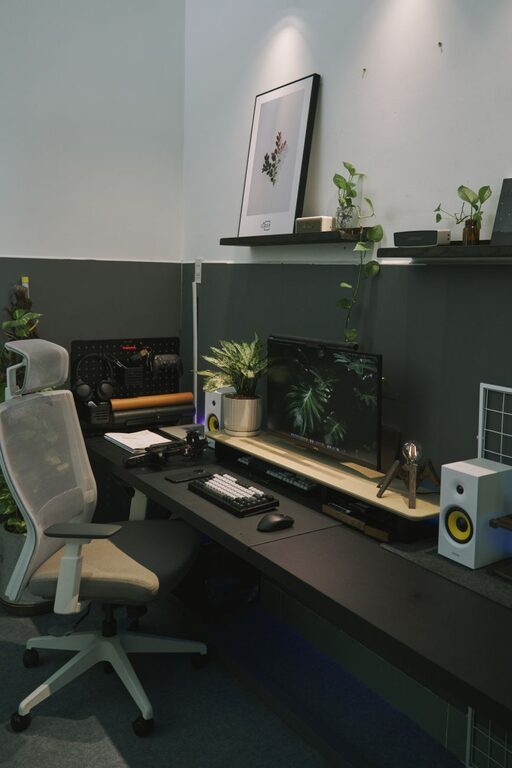
A dedicated work area helps separate work time from personal time. This space does not need to be a separate office. A corner of a room, a dining table, or a small desk can work well if you use it consistently.
Try to keep your work area:
– Clear of unnecessary items
– Comfortable and well lit
– Supplied with the tools you use regularly
– Separate from areas associated with relaxation when possible
At the end of the workday, tidy the space and put away work materials. This simple closing routine can make it easier to switch out of work mode.
If you share your home with others, let them know when you are working and when you are available. A closed door, a sign, or a shared calendar can help set clear expectations.
Start With a Simple Daily Plan
A written plan gives your workday direction. Without one, it is easy to spend too much time checking messages or moving between minor tasks.
At the beginning of each day, identify:
- The most important task
- Two or three supporting tasks
- Meetings or fixed commitments
- A reasonable stopping time
Keep the list realistic. A long list can create unnecessary pressure and make it harder to decide what to do next. Focus on the tasks that will have the greatest effect on your work.
You can also prepare your plan at the end of the previous day. Starting with a clear first step reduces the time spent deciding where to begin.
Use Time Blocks
Time blocking means setting aside specific periods for particular types of work. For example, you might reserve the morning for writing, late morning for meetings, and the afternoon for administrative tasks.
This approach can help you avoid constant task switching. It also makes your schedule easier to understand, especially when you need to balance focused work with communication.
A simple time-blocking plan might include:
– 9:00–10:30: Focused project work
– 10:30–10:45: Break
– 10:45–11:30: Email and messages
– 11:30–12:30: Meetings or collaborative work
– 1:30–3:00: Focused project work
– 3:00–3:15: Break
– 3:15–4:30: Planning, follow-up, and smaller tasks
Your schedule does not need to follow exact times. The main goal is to give each type of work an appropriate place in your day.
Reduce Digital Distractions
Digital notifications can interrupt your attention even when you do not respond to them immediately. Consider turning off alerts for email, chat apps, social media, and news services during focus periods.
You can also:
– Close browser tabs that are not related to your current task
– Keep personal apps on a separate device when possible
– Use website-blocking tools during focused work
– Check email and messages at planned times
– Set your phone to silent or place it out of reach
Do not feel that you must be available every minute. If your role allows it, tell coworkers when you will be checking messages and when you will be focused on a project.
Work in Short Focus Sessions
Long work sessions are not always the most productive. Many people find it easier to concentrate when they divide work into manageable sessions.
Try working for 25 to 50 minutes, followed by a short break. During each session, choose one clear objective. For example, instead of aiming to “work on the report,” set a goal such as “write the introduction” or “review the first two sections.”
During your break, step away from the screen if possible. Stretch, get a glass of water, or look out a window. A brief change of activity can help you return with a clearer mind.
Experiment with different session lengths to find what suits your work. Tasks that require detailed concentration may benefit from longer blocks, while routine tasks may work well in shorter intervals.
Make Tasks Easier to Start
Sometimes the hardest part of focusing is beginning. Large or unclear tasks can feel difficult to approach, so break them into smaller actions.
For example, replace “prepare presentation” with steps such as:
– Gather the required information
– Create a basic outline
– Draft the opening slide
– Add supporting points
– Review the presentation for clarity
Choose the first action that can be completed in a few minutes. Once you begin, continuing often feels easier.
If a task is still unclear, write down what the finished result should look like. A clear outcome can help you decide which steps matter and which can be left for later.
Keep Your Workspace Organized
A cluttered workspace can make it harder to find what you need and may add unnecessary distractions. You do not need a perfect office, but a basic organization system can save time and attention.
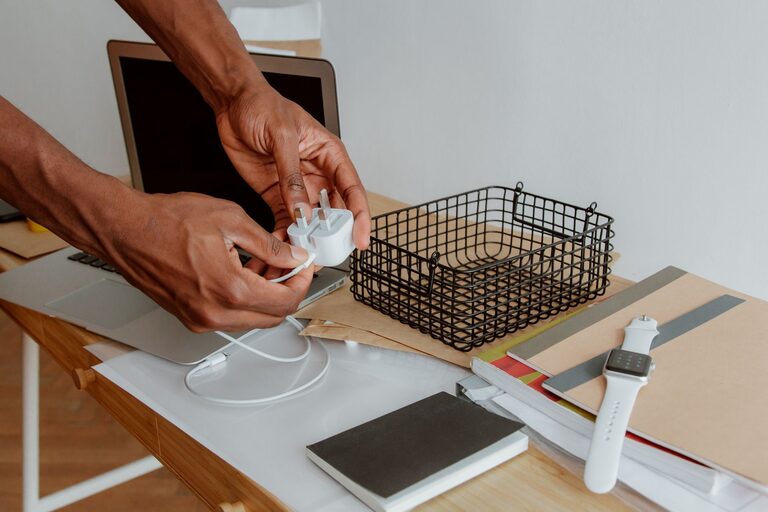
Use folders for active projects and archive files you no longer need every day. Keep frequently used documents easy to access, and give files clear names. If you work with paper, use a tray or folder for items that need action.
At the end of each workday, spend a few minutes preparing for tomorrow. Put away finished materials, close unnecessary applications, and leave the next task ready to begin.
Set Boundaries Around Your Workday
Working from home can make it tempting to continue working long after your planned finish time. Clear boundaries help protect your personal time and make your work hours more sustainable.
Create a start and end routine, such as:
– Getting dressed before work
– Taking a short walk before starting
– Reviewing your daily plan
– Closing work applications at the end of the day
– Moving to another room after finishing
If you have flexible hours, choose a schedule that matches when you usually do your best work. Some people prefer starting early, while others work better later in the day. Consistency matters more than following a particular schedule.
Take Regular Breaks
Breaks are a useful part of a focused workday, not a sign that you are being unproductive. They give you time to reset and can make it easier to maintain attention over several hours.
Plan short breaks between focus sessions and a longer break for a meal. During breaks, try to do something different from your work. A brief walk, simple household task, or conversation can help create a clear pause.
Avoid filling every break with more screen time. Constantly switching between work and entertainment may leave you feeling busy without feeling refreshed.
Review and Adjust Your Routine
No focus system works perfectly for everyone. Review your workday regularly and notice what helps or gets in the way.
Ask yourself:
– When do I focus most easily?
– Which distractions interrupt me most often?
– Are my daily goals realistic?
– Do my breaks help me return to work?
– Is my workspace supporting the way I work?
Make one or two changes at a time so you can see what makes a difference. With steady adjustments, you can build a work-from-home routine that supports concentration, organization, and a healthier separation between work and home life.
About the Author