A workspace should do more than hold your computer and supplies. It should help you feel comfortable, focused, and ready to get things done. Whether you work from home, study in a shared room, or use a small office, a few personal touches can make the space feel more inviting.
Personalizing your workspace does not require a large budget or a complete redesign. Small changes, such as adding a favorite color, improving your lighting, or displaying meaningful items, can have a noticeable effect. The key is to create a space that reflects your needs while remaining practical and easy to maintain.
Start With a Simple Workspace Plan
Before buying decorations or rearranging furniture, take a few minutes to consider how you use your workspace.
Ask yourself:
– What tasks do I do most often?
– What makes me feel comfortable and focused?
– Which items do I need to keep within reach?
– What currently distracts or frustrates me?
– How much space is available for personal items?
These questions can help you avoid adding unnecessary clutter. A personalized workspace should support your daily routine, not make it harder to work.
Begin by clearing the surface and removing items you rarely use. Then, place essential tools where they are easy to access. Once the basics are in order, you can add decorative and personal details.
Choose a Color Theme
Color is one of the easiest ways to change the mood of a workspace. You do not need to repaint the room or replace all your furniture. Instead, introduce a simple color theme through smaller items.
Consider adding color with:
– A desk mat
– A notebook or planner
– Storage boxes
– A small lamp
– Picture frames
– A chair cushion
– Artwork or wall prints
Choose one or two main colors that you enjoy. Soft blues, greens, and neutral shades can create a calm feeling, while warmer tones such as yellow, orange, or terracotta can make the area feel more energetic.
If your workspace already contains several colors, use neutral accessories to create a more balanced look. Keeping a consistent color theme can also make the space feel more organized.
Improve Your Lighting
Good lighting can make a workspace more pleasant and functional. Whenever possible, place your desk near a window so you can benefit from natural light during the day. Avoid positioning the screen where sunlight creates glare.
If natural light is limited, add a desk lamp or floor lamp. A lamp with an adjustable arm can help direct light toward notebooks, documents, or other work materials. Choose a style that matches the rest of your workspace, such as a simple metal lamp, a warm wooden design, or a colorful modern option.
You can also personalize the lighting with a decorative lampshade or a small string of lights. Keep decorative lighting subtle so it does not create visual distractions.
Add Greenery and Natural Elements
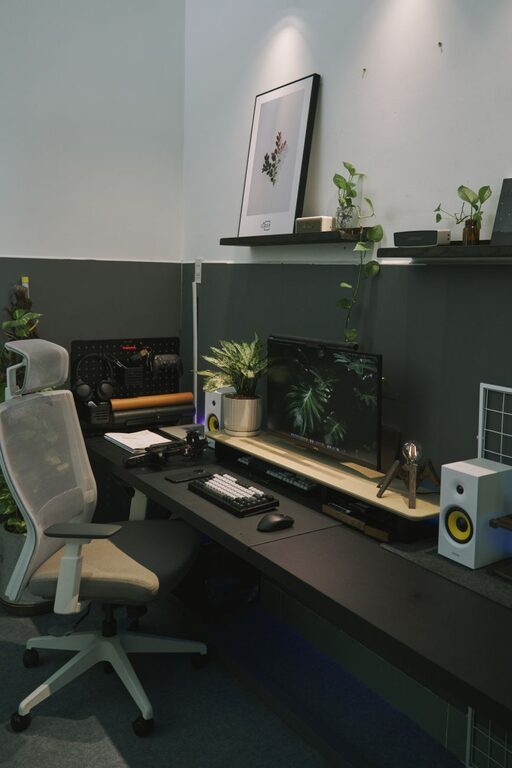
Plants can bring color and life to a workspace. If you have a sunny area, consider a small houseplant that fits comfortably on a shelf or desk corner. If you prefer low maintenance, choose a plant that does not require frequent care.
For spaces with limited natural light, artificial plants can provide a similar decorative effect. Other natural elements, such as a wooden tray, woven basket, stone paperweight, or cork board, can add texture and warmth.
Keep plants and natural decorations in areas where they will not interfere with your equipment or work materials. A single well-placed plant may have more impact than several crowded pots.
Display Meaningful Items
Personal items can make your workspace feel like your own. Choose objects that inspire you, remind you of important moments, or simply make you smile.
Ideas include:
– A favorite photograph
– A postcard from a memorable trip
– A small piece of artwork
– A handmade object
– A framed quote
– A keepsake from a hobby
– A small collection of books
Try to limit the number of display items on your desk. A few carefully chosen pieces will stand out more clearly than a crowded group. Use shelves, wall space, or a pinboard to keep meaningful items visible without taking up valuable work space.
Make Organization Part of the Design
Storage does not have to be boring. Use containers and organizers that match your style while keeping everyday items easy to find.
You might use:
– Matching file folders
– Colorful pen cups
– Small trays for loose items
– Labeled boxes
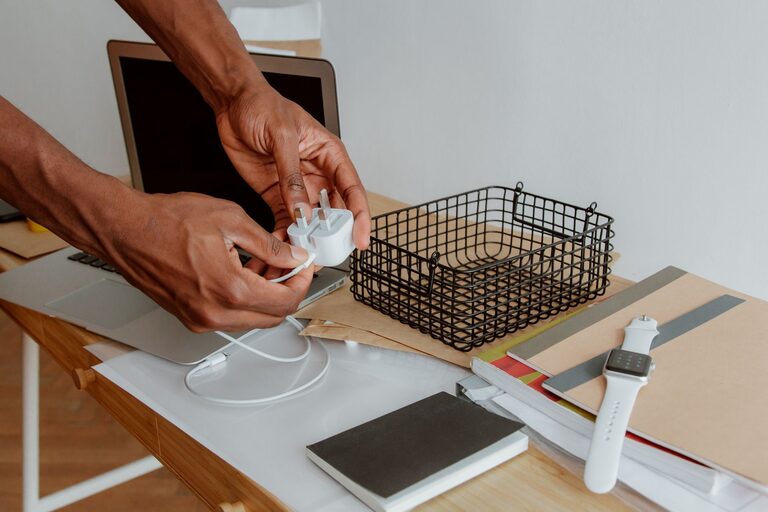
– Cable clips
– Drawer organizers
– A wall-mounted organizer
Group similar items together, such as writing tools, charging accessories, or reference materials. Clear containers can make supplies easy to see, while solid-color boxes can create a cleaner appearance.
Labeling storage can also save time. Simple labels help you return items to the right place and prevent clutter from building up.
Personalize Your Desk Accessories
Everyday items can add personality without taking up much space. Look for practical accessories that reflect your preferences.
Examples include:
– A mouse pad with a favorite pattern
– A notebook in your preferred color
– A comfortable keyboard wrist rest
– A decorative calendar
– A reusable water bottle
– A unique pen holder
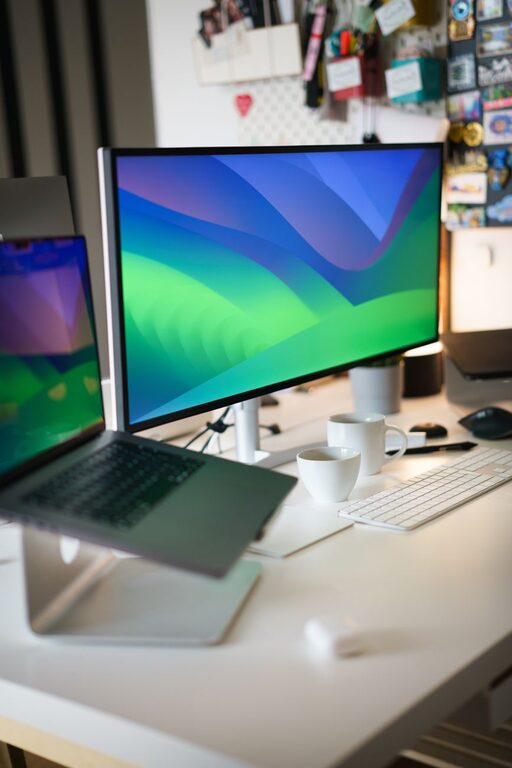
– A custom screen background
Choose items that are useful as well as attractive. Personalization works best when it improves your daily experience rather than adding objects that require extra attention.
Create a Wall or Inspiration Area
If your desk has limited surface space, use the wall nearby. A pinboard, magnetic board, or framed grid can provide an attractive place for notes and images.
You can include:
– Weekly reminders
– Project notes
– Small illustrations
– Favorite photographs
– Inspirational phrases
– A simple to-do list
Keep this area organized by removing outdated notes regularly. You can also change the display each month or season to keep the space feeling fresh.
For a cleaner appearance, place images and notes inside frames or arrange them in a simple grid. For a more creative look, use different sizes and textures while keeping the overall display balanced.
Make Comfort a Priority
A personalized workspace should feel good to use. Pay attention to the small details that affect comfort throughout the day.
Consider adding a supportive chair cushion, a soft footrest, or a small blanket if the room is cool. Keep frequently used items within easy reach so you do not have to stretch or twist unnecessarily. Adjust your monitor, keyboard, and chair to suit your setup.
You can also create a more pleasant atmosphere with a favorite playlist, a quiet clock, or a small area for breaks. Comfort does not need to look complicated. Simple, useful additions can make your workspace more enjoyable.
Refresh the Space Regularly
Your workspace does not have to stay the same all year. A quick refresh every few weeks can keep it useful and inspiring.
Try one of these simple updates:
– Rotate artwork or photographs
– Change your desk accessories
– Rearrange storage
– Replace an old notebook
– Add a seasonal decoration
– Remove items you no longer use
– Try a new layout
Take a few minutes at the end of each week to reset the area. Put supplies away, clear unnecessary papers, and wipe down the main surfaces. This small habit helps your personalized workspace remain comfortable and organized.
Build a Space That Feels Like You
The best workspace is one that matches your habits, interests, and daily needs. Start with the basics: clear organization, comfortable lighting, and a practical layout. Then add personal touches through color, artwork, plants, and useful accessories.
You do not need to follow a particular design style. Focus on what helps you feel at ease and ready to work. With a few thoughtful changes, even a small desk can become a welcoming space that supports both productivity and personal expression.
About the Author