A dedicated workout corner can make exercise feel more convenient and enjoyable. You do not need a full home gym, a large room, or expensive equipment. With a small amount of planning, you can create a simple space that supports stretching, strength exercises, bodyweight workouts, and light cardio.
The best workout corner is one you will actually use. It should be easy to access, comfortable to move in, and simple to keep organized. Here is how to create one step by step.
Choose the Right Location
Start by looking around your home for an area that can hold a mat and leave enough room to move safely. The space does not need to be large. A quiet corner of a bedroom, living room, basement, or home office may work well.
When choosing a location, consider:
– Available floor space
– Ceiling height
– Lighting
– Airflow
– Flooring
– Nearby storage
– Noise levels
– Distance from other household activities
Try to leave clear space around your workout area. You should be able to extend your arms, step from side to side, and lie down without hitting furniture or walls. If you plan to use resistance bands or light weights, allow extra room for safe movement.
A space near a window may feel bright and welcoming, while a corner away from busy areas may help you stay focused. Choose the location that makes it easiest to exercise regularly.
Measure Before You Buy
Before purchasing equipment, measure the available area. Write down the length, width, and ceiling height. This simple step can help you avoid buying items that do not fit.
A basic workout corner may need only enough room for a yoga mat, which is commonly about 2 feet wide and 6 feet long. Add extra space on each side for standing exercises and stretching.
If you are considering larger equipment, check its dimensions when fully assembled. Also measure doorways, hallways, and stairways to make sure the equipment can be brought into the room.
Make a quick floor plan using paper or a notes app. Mark where the mat, storage basket, mirror, and other items will go. Planning first can keep the space open and reduce clutter.
Start With Essential Equipment
You can build an effective workout corner with a few versatile items. Begin with equipment that supports several types of movement rather than buying many specialized products.
Useful starter items include:
– Exercise mat
– Comfortable workout clothing
– Resistance bands
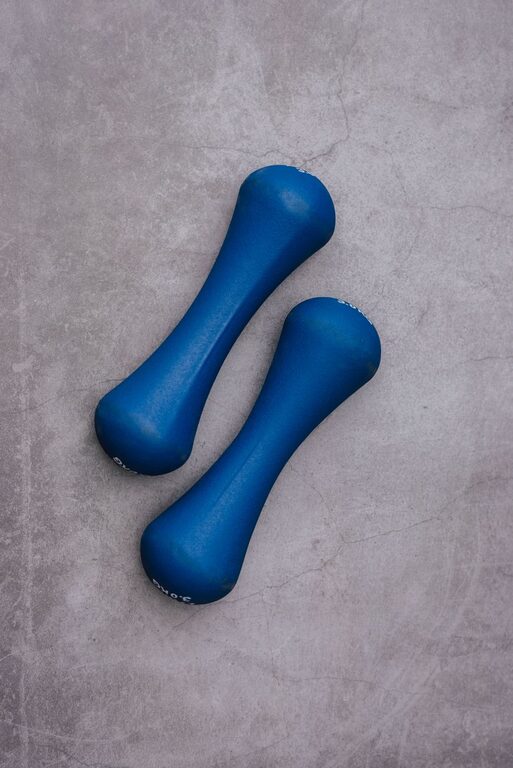
– Light dumbbells
– Stability ball
– Jump rope
– Small step platform
– Towel and water bottle
An exercise mat provides a clean, comfortable surface for floor exercises, stretching, and bodyweight movements. Resistance bands take up very little space and can be used for a variety of upper-body and lower-body exercises.
Dumbbells are also useful, but you do not need a large set at the beginning. Choose a manageable pair that suits your current level. If space is limited, adjustable dumbbells can reduce the number of items you need to store.
Only add new equipment when you have a clear use for it. A smaller collection of items that you use often is more valuable than a crowded corner full of unused gear.
Make Safety a Priority
A safe workout area should have a stable, uncluttered floor. Remove loose rugs, cords, toys, and other objects that could cause you to trip. If your mat slides, place a non-slip layer underneath it or move the workout area to a more secure surface.
Check the condition of your equipment regularly. Look for worn bands, cracked handles, loose parts, or damaged mats. Replace items that no longer feel secure.
Keep heavy equipment on the floor or on a low, sturdy shelf. Avoid stacking weights where they could fall. If you use a wall-mounted storage system, follow the installation instructions carefully and make sure it is attached to a suitable surface.
Use lighting that allows you to see the floor clearly. Good airflow can also make the space more comfortable, especially during longer workouts.
Add Simple Storage
Good storage keeps your workout corner ready to use. A laundry basket, storage cube, or small shelving unit may be enough for most home equipment.
You can organize items by type:
– Keep bands and jump ropes in a small bin.
– Place dumbbells on a low, stable shelf.
– Store the mat vertically or roll it after use.
– Keep towels and cleaning supplies nearby.
– Use hooks for resistance bands or exercise straps.
Avoid storing equipment in a way that requires a long setup each time. If you need to move several objects before you can exercise, you may be less likely to use the space.
Leave a little open space in the storage area for future additions. However, keep the collection under control. A workout corner should feel inviting, not crowded.
Improve Comfort and Motivation
The appearance of your space can affect how often you use it. Add a few details that make the corner pleasant without filling it with distractions.
Consider adding:
– A small mirror
– A wall clock
– A speaker
– A plant
– A motivational note
– A basket for towels
– A nearby lamp
A mirror can help you check general posture and movement during exercises. Place it securely and avoid positioning it where it could be knocked over.
If you enjoy following guided workouts, set up a phone or tablet stand. Keep the screen at a comfortable height and make sure cables are out of the way. You may also want to create a short playlist or save a few favorite workout routines for easy access.
The goal is to make starting simple. When your mat is visible and your equipment is organized, the space can serve as a helpful reminder to move.
Choose a Simple Workout Routine
A workout corner becomes more useful when you have a basic plan. Your routine does not need to be complicated. You might divide your week into different types of activity.
For example:
– Day one: bodyweight strength exercises
– Day two: stretching and mobility
– Day three: light cardio
– Day four: rest or gentle movement
– Day five: resistance band exercises
Start each session with a few minutes of easy movement. Finish with slower movements and comfortable stretching. Keep the intensity suitable for your current experience and available energy.
If you are new to exercise, begin with short sessions and focus on learning controlled movements. Increase the length or difficulty gradually rather than trying to do too much at once.
Choose exercises that match your space. If you live above another household, low-impact movements may be more practical than jumping. There are many quiet options, including squats, wall pushups, step movements, marching, and floor exercises.
Keep the Space Easy to Maintain
A clean workout corner is more inviting and lasts longer. Wipe down equipment when needed, wash your mat according to its care instructions, and return items to their storage area after each session.
Set aside a few minutes each week to check the space. Remove items that do not belong there, inspect equipment, and adjust the layout if movement feels restricted.
You can also use a simple workout calendar to track sessions. Marking completed workouts can help you notice patterns and maintain a regular routine without making the process complicated.
Build Around Your Habits
The most successful home workout corner fits your lifestyle. If mornings are busy, place the space somewhere you can reach easily before starting your day. If you prefer evening workouts, make sure the area has enough lighting and does not interfere with your household routine.
Keep the setup flexible. A living room corner may need to be cleared after each workout, while a spare room can remain ready throughout the day. Both options can work.
Start small, use what you already have, and improve the space over time. A mat, a little open floor space, and a consistent routine may be all you need to begin. As your habits grow, you can add equipment that supports the activities you enjoy most.
About the Author