A cozy reading corner can give your home a quiet place to relax, enjoy a good book, or take a break from a busy day. It does not need to be large or expensive. With the right location, comfortable furniture, soft lighting, and a few personal details, you can create a space that feels inviting and useful.
Whether you have an unused corner of a bedroom, a spot beside a window, or part of a living room, these ideas can help you design a reading area that fits your home and your style.
Choose the Right Location
Start by looking for a space that feels calm and comfortable. A reading corner can fit almost anywhere, but some locations work especially well:
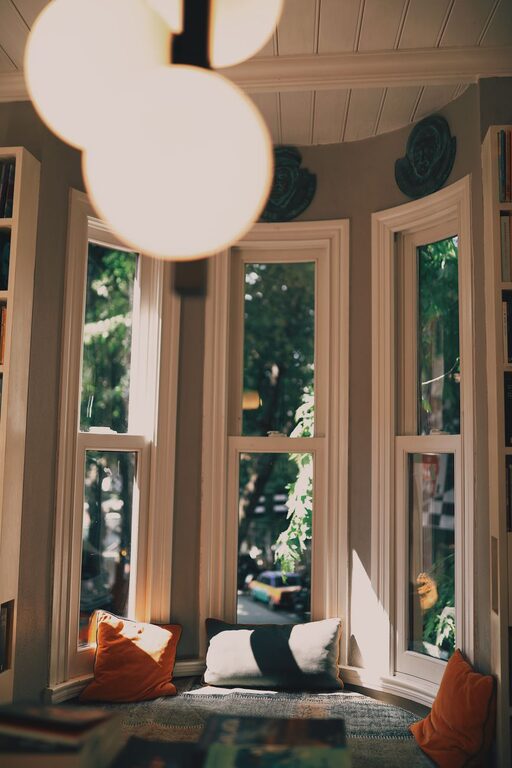
– Beside a window with natural light
– In an unused corner of the living room
– Near a bedroom bookshelf
– Under a staircase
– In a wide hallway or landing
– Beside a fireplace or another focal point
Consider how the space is used during the day. A corner near a television or a busy walkway may be distracting. If possible, choose an area that is slightly separate from household activity.
Natural light is helpful during the daytime, but avoid placing your chair where direct sunlight causes glare on the pages. If the area is near a window, curtains or blinds can help control brightness and create a more comfortable atmosphere.
Select Comfortable Seating
The chair is the center of a reading corner, so comfort should be a priority. Choose seating that supports your back and gives you enough room to change positions while reading.
Popular options include:
– An upholstered armchair
– A compact lounge chair
– A rocking chair
– A cushioned bench
– A small loveseat
– A floor cushion with back support
Before buying a chair, measure the available space. Leave enough room to walk around it and add a small table or lamp. If your corner is narrow, choose furniture with slim arms or a simple frame.
Try to test the chair in person if possible. Sit in it for several minutes and consider whether the seat height, cushion firmness, and back support feel comfortable. A beautiful chair is not useful if you avoid sitting in it.
Add a soft throw blanket or a small cushion for extra comfort. These accessories also make it easy to change the look of the corner with the seasons.
Add Warm, Practical Lighting
Good lighting makes reading easier and helps set the mood. Ideally, your reading corner should have both natural light and a dedicated lamp for evenings or cloudy days.
A floor lamp works well beside a chair and can provide focused light without taking up table space. A table lamp is a good choice if you have a side table nearby. Adjustable lamps are especially useful because you can direct the light toward your book.
When choosing a bulb, look for a brightness that allows you to read comfortably without creating harsh glare. A warm or soft white light can make the space feel more relaxing, while a brighter neutral light may be better for detailed reading.
Layered lighting can make the corner more flexible. For example, combine a reading lamp with a small decorative lamp or nearby overhead light. This lets you adjust the atmosphere depending on the time of day.
Include a Small Side Table
A side table gives you a convenient place to set down a book, cup, reading glasses, or a small lamp. It does not need to be large. A compact round table, nesting table, stool, or narrow cabinet can work well.
Choose a table that is close to the height of the chair’s arm. This makes it easy to reach without leaning too far. If your space is limited, look for a table with a lower shelf or drawer for additional storage.
Keep the surface useful rather than crowded. A simple arrangement might include:
– A current book
– A small lamp
– A coaster
– A decorative object
– A small basket for reading accessories
Leaving some open space will make the corner look calmer and easier to use.
Plan Book Storage
Books are an important part of a reading corner, but storage should match the size of the space. A tall bookshelf can make use of vertical space, while a short bookcase can double as a surface for decorations or a lamp.
Other storage ideas include:
– A slim ladder shelf
– Wall-mounted shelves
– A small rolling cart
– Baskets beside the chair
– A storage ottoman
– A built-in shelf under a window
You do not have to keep your entire collection in the reading corner. Display a few favorite books or the titles you plan to read next. Rotate them occasionally to keep the space fresh.
Arrange books in a way that is both attractive and practical. You might group them by size, color, subject, or reading order. Avoid filling every shelf completely, since a little open space can make the area feel more organized.
Use Color and Texture
Color and texture can make a reading corner feel warm and welcoming. Start with the colors already present in the room, then add a few coordinating accents.
Soft neutral shades such as cream, beige, gray, and warm white create a calm background. Richer colors such as green, blue, rust, or mustard can add character through a cushion, rug, or blanket.
Texture is just as important as color. Consider adding:
– A soft area rug
– A woven basket
– A knitted blanket
– Linen or cotton cushions
– A fabric lampshade
– A natural wood table
A rug can help define the reading area, especially if the corner is part of a larger room. It also adds comfort underfoot and can reduce the sense that the chair is simply placed in an empty space.
Create a Sense of Privacy
A reading corner feels more relaxing when it has some visual separation from the rest of the room. You can create this feeling without building a wall.
Try placing a bookshelf, plant stand, or narrow cabinet beside the chair. A curtain, folding screen, or tall plant can also help define the area. Even a change in rug or wall color can signal that the corner has a separate purpose.
Keep the space open enough to avoid feeling cramped. The goal is to create a peaceful nook, not a closed-off area that is difficult to access.
Add Personal Details
The best reading corners reflect the person who uses them. Add items that make you want to spend time there, such as framed artwork, a favorite blanket, a small plant, or a collection of postcards.
You might also include a notebook and pen for writing down ideas, a bookmark dish, or a small clock. If you enjoy listening to music while reading, keep headphones or a small speaker nearby.
Avoid adding too many objects. A few meaningful details are usually more effective than a crowded display. Choose items that support relaxation and make the space feel like your own.
Keep the Corner Easy to Maintain
A reading corner should be simple to use and easy to tidy. Keep a basket nearby for blankets, magazines, or books that need to be returned to their shelves. Dust the lamp, table, and bookcase regularly, and vacuum or clean the rug as needed.
If you often leave several books in the area, use a small tray or basket to keep them organized. Return cups, dishes, and other items to the kitchen after use so the corner remains ready for the next reading session.
Enjoy Your Finished Space
Creating a cozy reading corner is less about following a specific design style and more about making a comfortable place that suits your routine. Start with a supportive chair, add dependable lighting, and build around it with useful storage and soft textures.
Even a small corner can become a favorite part of your home when it is designed with care. Choose items that make reading easier, keep the area uncluttered, and add personal touches that invite you to sit down and stay awhile.
About the Author